Ingredients

Green Elixir Earth Element

Key ingredients

Cat’s Claw

Cat’s Claw is a vine from the Amazon rainforest known for its anti-inflammatory and immune-supporting properties.

Cat’s Claw is a vine from the Amazon rainforest known for its anti-inflammatory and immune-supporting properties. It helps reduce inflammation and supports joint regeneration. It also has antiviral and antibacterial effects, making it a natural aid against infections. Traditionally, it has been used to detoxify the body and support digestive health.

Ginkgo biloba

Ginkgo biloba is a traditional herb used in Chinese medicine to support cognitive functions and improve blood circulation.

Ginkgo biloba is a traditional herb used in Chinese medicine to support cognitive functions and improve blood circulation. It helps dilate blood vessels and increase oxygen supply to the brain, enhancing concentration and memory. It also has antioxidant properties that protect cells from damage caused by free radicals. Additionally, it can help alleviate symptoms associated with poor circulation, such as cold hands and feet.

Lapacho (Pau D’Arco)

Lapacho, also known as the “Inca God Tree,” has a long history of use in traditional medicine.

Lapacho, also known as the “Inca God Tree,” has a long history of use in traditional medicine. It contains compounds with antioxidant and antifungal properties. It supports the immune system and helps fight viral and bacterial infections. Traditionally, it has also been used to relieve pain and aid digestion.

Graviola

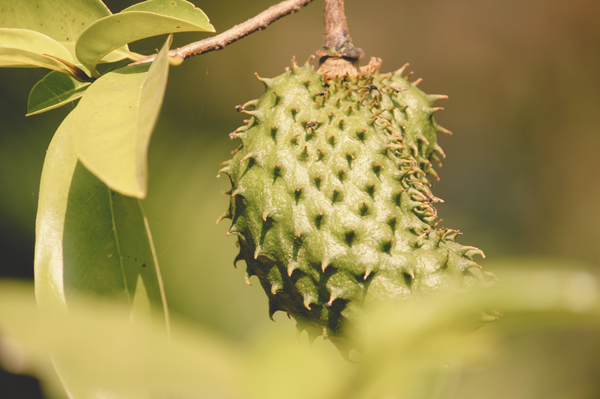
Graviola is a tropical tree whose leaves, fruits, and seeds are used in traditional medicine.

Graviola is a tropical tree whose leaves, fruits, and seeds are used in traditional medicine. It contains acetogenins, compounds with strong antioxidant and anti-inflammatory properties. Graviola helps strengthen the immune system and protects cells from damage caused by free radicals. Research is also exploring its potential use in combating cancer cells.

Inulin

Inulin is a natural fiber mainly extracted from chicory roots.

Inulin is a natural fiber mainly extracted from chicory roots. It is a prebiotic, meaning it supports the growth of beneficial bacteria in the gut. This helps improve digestion, promotes a healthy gut microbiome, and may contribute to lowering blood sugar and cholesterol levels. Its ability to increase the feeling of fullness also aids in weight management.

Wheatgrass

Wheatgrass refers to the young green shoots of wheat, rich in vitamins A, C, and E, minerals such as iron and magnesium, and digestive-supporting enzymes.

Wheatgrass refers to the young green shoots of wheat, rich in vitamins A, C, and E, minerals such as iron and magnesium, and digestive-supporting enzymes. It also contains chlorophyll, which helps detoxify the liver and blood. Wheatgrass supports red blood cell production and increases oxygenation of tissues. Regular consumption can boost energy levels and strengthen the immune system.

Alfalfa

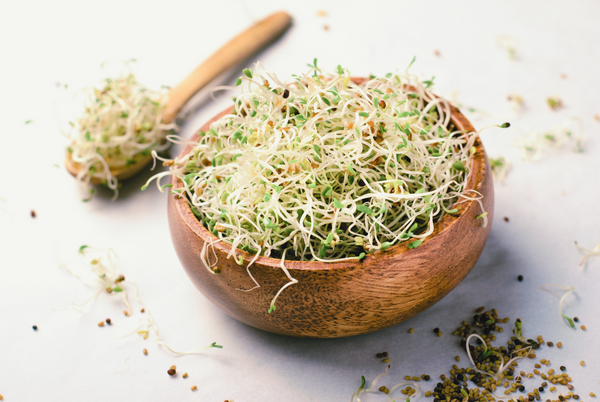
Alfalfa is a source of vitamins K, C, and several minerals, including calcium and magnesium.

Alfalfa is a source of vitamins K, C, and several minerals, including calcium and magnesium. It contains essential amino acids that the body needs for tissue regeneration. Alfalfa supports digestion and can help with stomach acidity. It is also known for its detoxifying properties, aiding in cleansing the blood and liver.

Spinach

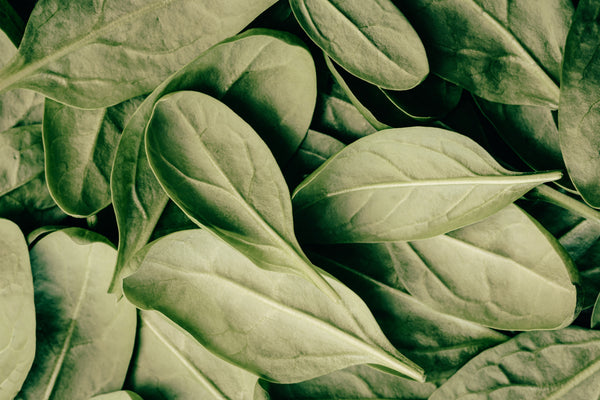
Spinach is rich in iron, which supports red blood cell production and oxygen transport in the body.

Spinach is rich in iron, which supports red blood cell production and oxygen transport in the body. It also contains vitamin K for bone health and antioxidants that protect cells from damage. Consuming spinach can boost energy levels and aid in muscle recovery. Its high fiber content also promotes healthy digestion.

Beetroot

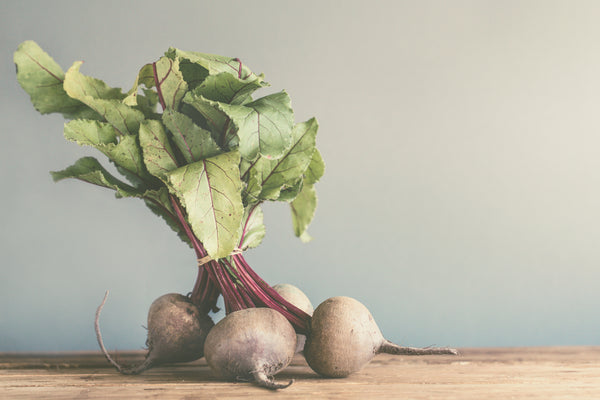
Beetroot is an excellent source of antioxidants, iron, folic acid, and nitrates.

Beetroot is an excellent source of antioxidants, iron, folic acid, and nitrates. It helps improve blood circulation, lower blood pressure, and support heart health. Thanks to its betaine content, it also promotes liver function and contributes to body detoxification. Additionally, it may enhance athletic performance and overall vitality by improving tissue oxygenation.

Broccoli

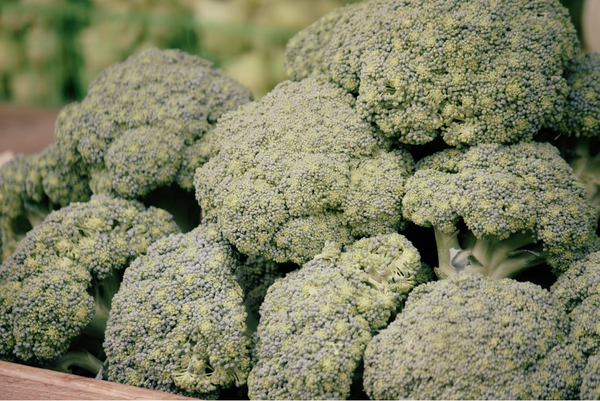
Broccoli is known for its high content of antioxidants and sulforaphane, which help protect cells from damage.

Broccoli is known for its high content of antioxidants and sulforaphane, which help protect cells from damage. It supports the body’s natural detoxification processes, has anti-inflammatory properties, and contributes to heart health. It also contains vitamins C and K, as well as fiber, to support digestion and bone health.

Echinacea

Echinacea is primarily known for its immune-stimulating effects and helps increase the production of white blood cells, which are key for defending against infections.

Echinacea is primarily known for its immune-stimulating effects and helps increase the production of white blood cells, which are key for defending against infections. This plant may be effective in preventing colds, respiratory infections, and overall improves the body’s resistance to pathogens. It also has anti-inflammatory properties that may help alleviate infection symptoms.

Resveratrol

Resveratrol is a natural polyphenol found in grapes and red wine.

Resveratrol is a natural polyphenol found in grapes and red wine. It is known for its antioxidant properties, which protect cells from oxidative stress. It helps improve vascular function and reduce inflammation in the body. Research also suggests its potential benefits for longevity and heart health.

Ginger

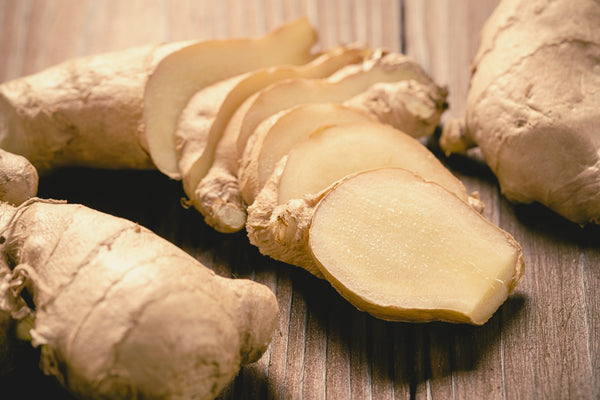
Ginger is well-known for its strong anti-inflammatory and antioxidant properties.

Ginger is well-known for its strong anti-inflammatory and antioxidant properties. It supports digestive health by stimulating the production of stomach juices and alleviating nausea. It also helps reduce pain associated with arthritis and provides relief from colds due to its warming effects. Regular consumption of ginger may contribute to improved immune system response.

Turmeric

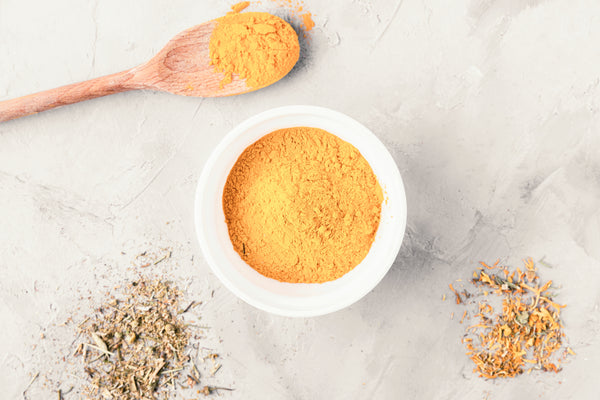
Turmeric contains the active compound curcumin, which is well-known for its strong anti-inflammatory properties.

Turmeric contains the active compound curcumin, which is well-known for its strong anti-inflammatory properties. It supports joint health and may help alleviate inflammatory conditions. Curcumin also has antioxidant effects that help protect cells from damage. Additionally, it is associated with supporting liver health and the digestive system.

Licorice

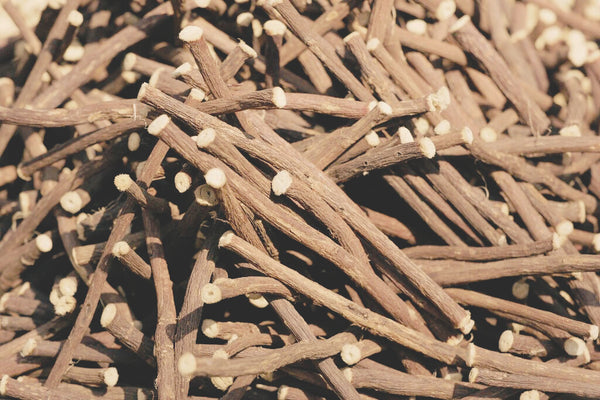
Licorice is traditionally used to support digestive health and soothe irritation of the stomach lining.

Licorice is traditionally used to support digestive health and soothe irritation of the stomach lining. It contains compounds that help regulate cortisol levels, contributing to stress relief. Licorice also has anti-inflammatory and antibacterial properties. Additionally, it helps calm the respiratory tract and alleviates symptoms of cough.

Moringa

Moringa is called the “tree of life” due to its rich nutrient content, including vitamins A and C, and minerals such as calcium and iron.

Moringa is called the “tree of life” due to its rich nutrient content, including vitamins A and C, and minerals such as calcium and iron. It helps boost energy levels and supports the body’s natural defenses. Moringa has antioxidant properties that protect cells from aging and damage. Regular consumption promotes the health of skin, hair, and nails.

Chinese yam

Chinese yam, also known as the “light root,” strengthens the digestive system and improves digestion and nutrient absorption.

Chinese yam, also known as the “light root,” strengthens the digestive system and improves digestion and nutrient absorption. It supports endocrine glands (pancreas, pituitary, thyroid), helping to regulate hormonal balance and metabolism. It stimulates the reproductive system in both women and men, promoting a healthy hormonal cycle and prostate health. It helps harmonize blood sugar levels, which is beneficial for people with diabetes. Additionally, it is a powerful tonic for restoring energy and vitality during fatigue and stress. It supports the respiratory system, aiding weakened breathing, dry coughs, and other respiratory issues.

Lavender

Lavender is known for its calming effects on the nervous system.

Lavender is known for its calming effects on the nervous system. It helps reduce stress and anxiety while promoting relaxation. It may improve sleep quality and alleviate insomnia. Lavender extract also possesses mild anti-inflammatory and antibacterial properties.

Bromelain

Bromelain is an enzyme derived from pineapple that helps break down proteins.

Bromelain is an enzyme derived from pineapple that helps break down proteins. It has strong anti-inflammatory properties and supports digestion, especially after consuming heavy meals. It also helps reduce swelling, relieve muscle pain, and accelerate healing after injuries or surgeries.

Green tea

Green tea is rich in catechins, powerful antioxidants that help protect cells from damage and support metabolism.

Green tea is rich in catechins, powerful antioxidants that help protect cells from damage and support metabolism. It promotes fat burning, boosts energy, improves focus, and has positive effects on cardiovascular health.

Black pepper extract

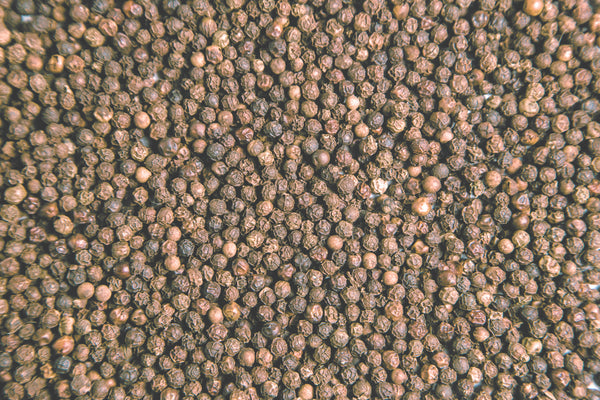
Black pepper extract contains piperine, which increases the bioavailability and effectiveness of other nutrients and compounds.

Black pepper extract contains piperine, which increases the bioavailability and effectiveness of other nutrients and compounds. It supports digestion, has anti-inflammatory properties, and helps improve metabolism. It also enhances the absorption of curcumin, vitamins, and minerals.

Berberine

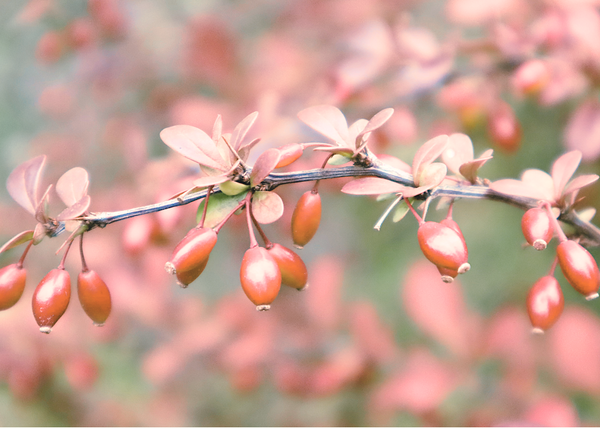
Berberine is a natural alkaloid found in the roots of plants such as barberry.

Berberine is a natural alkaloid found in the roots of plants such as barberry. It helps regulate blood sugar levels and improves cellular insulin sensitivity. It has strong antimicrobial properties and helps combat harmful bacteria. Regular use may also support improved fat metabolism.

Vitamin A

Vitamin A is essential for eye health and supports good vision, particularly in dim light and at night.

Vitamin A is essential for eye health and supports good vision, particularly in dim light and at night. It promotes healthy skin and mucous membranes, contributing to the body’s natural defense against infections. Vitamin A also aids in cell regeneration, supports immune response, and ensures proper organ function. It is important for normal growth, development, and overall vitality of the body. is essential for eye health and supports good vision, particularly in dim light and at night. It promotes healthy skin and mucous membranes, contributing to the body’s natural defense against infections. Vitamin A also aids in cell regeneration, supports immune response, and ensures proper organ function. It is important for normal growth, development, and overall vitality of the body.

Vitamin B2 (riboflavin)

Vitamin B2 supports energy metabolism and the conversion of nutrients into energy, helping to reduce fatigue and exhaustion.

Vitamin B2 supports energy metabolism and the conversion of nutrients into energy, helping to reduce fatigue and exhaustion. It helps protect cells from oxidative stress and contributes to tissue regeneration. Vitamin B2 is important for the health of the skin, eyes, and mucous membranes, thereby supporting optimal physical and mental well-being. It also contributes to proper nervous system function and the formation of red blood cells. Regular intake of riboflavin supports the harmonious functioning of the body and long-term vitality.

Vitamin B5 (pantothenic acid)

Vitamin B5 is essential for energy metabolism and the synthesis of hormones and neurotransmitters.

Vitamin B5 is essential for energy metabolism and the synthesis of hormones and neurotransmitters. It supports the reduction of fatigue and exhaustion and aids optimal mental performance. It helps the body process fats, carbohydrates, and proteins, ensuring a stable supply of energy to cells. Vitamin B5 supports tissue regeneration and enhances the body’s resilience to physical and mental stress. Regular intake of this vitamin contributes to overall bodily harmony and long-term vitality.

Vitamin C

Vitamin C is a powerful antioxidant that protects cells from damage caused by free radicals and oxidative stress.

Vitamin C is a powerful antioxidant that protects cells from damage caused by free radicals and oxidative stress. It supports the immune system by enhancing the activity of white blood cells, which are essential for defending against infections. Vitamin C also aids in the better absorption of iron, which is important for the production of red blood cells and proper oxygen transport in the body. It contributes to the normal formation of collagen, supporting healthy joints, skin, teeth, and blood vessels, thereby promoting overall vitality of the body.

Magnesium

Magnesium is a key mineral for proper muscle and nervous system function.

Magnesium is a key mineral for proper muscle and nervous system function. It supports the maintenance of healthy bones and teeth and contributes to cellular energy metabolism. Magnesium aids tissue regeneration, reduces fatigue and exhaustion, and enhances the body’s resilience to physical and mental stress. It helps maintain electrolyte balance and optimal heart function. Regular intake of magnesium contributes to overall vitality and the harmonious functioning of bodily processes.

Calcium

Calcium is a fundamental mineral for strong bones and teeth, supporting their proper structure and strength.

Calcium is a fundamental mineral for strong bones and teeth, supporting their proper structure and strength. It helps maintain normal muscle function, nervous system activity, and heart function. Calcium contributes to proper blood clotting and plays a role in the prevention of osteoporosis. Regular intake of calcium supports overall vitality and the body’s resilience to stress and physical strain.

Potassium

Potassium is key for maintaining proper fluid and electrolyte balance in the body.

Potassium is key for maintaining proper fluid and electrolyte balance in the body. It supports muscle and nerve function and helps maintain healthy blood pressure. Potassium contributes to optimal heart and kidney function and supports metabolic processes. Adequate potassium intake ensures energy, vitality, and the body’s resilience.

Iron

Iron is essential for the formation of hemoglobin and red blood cells, which transport oxygen throughout the body.

Iron is essential for the formation of hemoglobin and red blood cells, which transport oxygen throughout the body. It helps reduce fatigue and exhaustion, supports the immune system, and ensures proper energy metabolism. Iron plays an important role in cell regeneration and overall vitality, contributing to optimal mental and physical performance.